
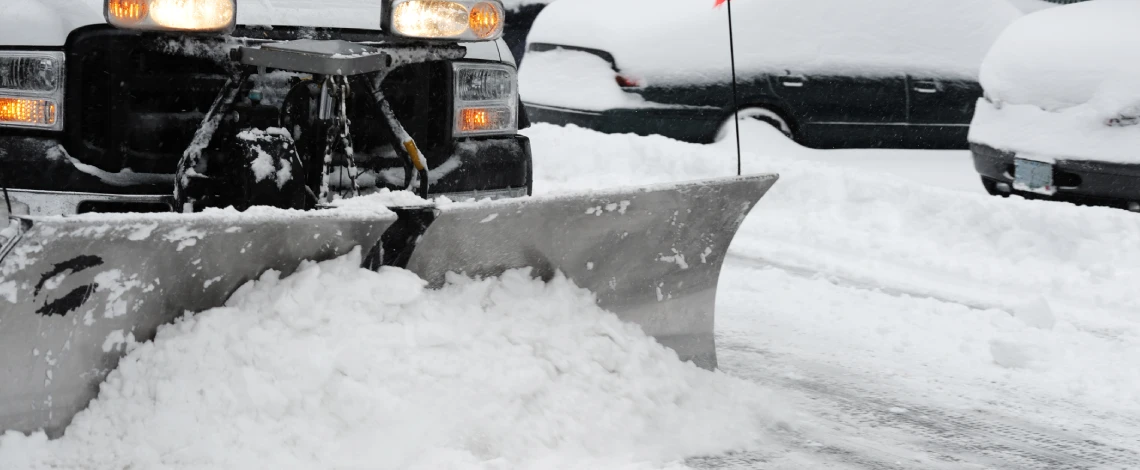
Snow and ice create more than an inconvenience for commercial properties. Improper snow removal can increase liability risks for business owners when slippery sidewalks, icy entrances, poorly cleared parking lots, or misplaced snow create hazardous conditions for customers, employees, tenants, and vendors.
Minnesota winters make these risks difficult to avoid completely, but businesses can take reasonable steps to manage them. A consistent commercial snow and ice plan can help reduce hazards, maintain safer access, and document how winter conditions were handled.
How Snow and Ice Can Create Liability Risks
Business owners and property managers need to consider more than what happens inside the building. Parking lots, sidewalks, entrances, stairs, and ramps can all become potential problem areas when snow and ice are not properly managed.
Common winter hazards include:
- Packed snow on frequently used walkways
- Ice near entrances and exits
- Refrozen runoff across sidewalks
- Poorly cleared parking and driving areas
- Snow piles that reduce visibility
- Slippery stairs and ramps
Not every snowy or icy surface automatically makes a business liable. However, failing to address known or reasonably discoverable hazards can create unnecessary risk.
Slip-and-Fall Accidents Are a Major Concern
Slip-and-fall incidents are one of the most common concerns associated with improper snow removal. Fresh snow can become packed and slippery under foot traffic, while melting snow may refreeze when temperatures drop.
High-traffic areas often deserve additional attention because they are used repeatedly throughout the day. These areas may include:
- Main and employee entrances
- Sidewalks between parking areas and buildings
- Accessible parking routes
- Stairs and ramps
- Loading and delivery areas
Consistent snow and ice management helps businesses address these locations before conditions become more difficult to control.
Minnesota Businesses Need a Reasonable Winter Maintenance Plan
Minnesota businesses are not expected to keep every outdoor surface perfectly clear during an active storm. However, property owners and managers are generally expected to take reasonable steps to maintain safer conditions and address hazards within an appropriate period.
A clear winter maintenance plan can help define how those responsibilities are handled before the first storm arrives. Important details may include:
- When snow service is triggered
- Which areas receive priority
- When de-icing is required
- How changing conditions are monitored
- Who is responsible for follow-up service
Planning these details ahead of time helps reduce confusion when conditions change quickly. It also gives property managers a clearer process to follow throughout the winter.
Delayed Snow Removal Can Make Conditions Worse
Timing matters because snow becomes harder to manage after repeated vehicle and pedestrian traffic. Accumulation that initially appears manageable can become packed, icy, and more difficult to remove as temperatures change.
Delayed snow removal can lead to:
- Packed snow in parking areas
- Ice beneath accumulated snow
- Reduced traction around entrances
- Blocked or unusable parking spaces
- Difficult access for customers and employees
A defined snow response plan allows businesses to address accumulation before it develops into a more serious safety concern.
Plowing Alone May Not Be Enough
Clearing the main parking lot is only one part of commercial snow management. Sidewalks, entrances, ramps, and other pedestrian areas also need attention because people continue moving through these spaces during and after winter weather.
De-icing is also important because hazardous conditions can remain after visible snow has been removed. Melting and refreezing may create new icy surfaces between storms, especially around entrances, drainage areas, and shaded walkways.
A complete winter maintenance program should consider:
- Parking lot plowing
- Sidewalk clearing
- Entrance treatment
- De-icing
- Ongoing storm monitoring
- Follow-up service when conditions change
Poor Snow Placement Can Create New Hazards
Snow can create additional problems even after it has been cleared from a driving lane or sidewalk. Where that snow is placed can affect visibility, parking, pedestrian movement, and drainage around the property.
Large piles may block sightlines, reduce parking capacity, or interfere with walking routes. As those piles melt, runoff may also cross pavement and freeze again when temperatures fall.
Before winter, businesses should identify snow-stacking areas that do not interfere with normal property use. Larger properties may also need a plan for relocating snow when repeated storms reduce available storage space.
Documentation Matters When Questions Arise
After an accident or complaint, business owners may need more than a general statement that the property was plowed. Detailed service records can provide a clearer picture of what work occurred, where it was completed, and when crews were on the property.
Useful documentation may include:
- Arrival and completion times
- Areas that were plowed
- Sidewalk-clearing records
- De-icing applications
- Timestamped photos
- GPS service information
- Follow-up visits
Documentation does not automatically determine liability. However, it can provide useful evidence of how winter maintenance was managed and whether scheduled service was performed.
A Written Snow Removal Contract Clarifies Responsibilities
A written commercial snow removal agreement helps reduce uncertainty about what is included in the service. It gives both the property manager and contractor a clearer understanding of which areas will be maintained and what level of response is expected.
The contract should clearly define:
- Snowfall trigger depths
- Response expectations
- Parking lot service
- Sidewalk and entrance clearing
- De-icing responsibilities
- Priority areas
- Snow stacking or relocation
- Service documentation
Knowing these details ahead of time makes it easier to identify potential gaps in coverage. It also helps property managers understand where additional attention may be needed during severe or changing weather conditions.
Different Properties Have Different Liability Concerns
Winter risks vary depending on how a commercial property is used and who visits it each day. A snow management plan should account for traffic patterns, operating hours, access points, and the areas that see the most pedestrian or vehicle activity.
A retail property may need to prioritize entrances and customer parking, while an office complex may experience heavy pedestrian traffic early in the morning. Industrial and multi-family properties can have different priorities involving loading areas, resident walkways, employee parking, and service entrances.
Areas that may require additional attention include:
- Medical facility entrances
- Apartment and HOA walkways
- Restaurant parking lots
- Warehouse loading zones
- Office sidewalks and stairways
A site-specific snow plan helps focus service on the areas most likely to create safety concerns.
Reduce Snow and Ice Liability Before the Next Storm
Winter liability management starts before snow begins accumulating. Business owners and property managers should review entrances, sidewalks, parking lots, drainage areas, snow-stacking locations, and other potential trouble spots before the season is underway.
North Ridge Outdoor Services provides commercial snow and ice management for properties throughout the Twin Cities metro. Our team helps businesses manage winter conditions with plowing, sidewalk and entrance clearing, de-icing, storm monitoring, documented service, and snow relocation planning.
Contact us today to schedule a property assessment and build a commercial snow and ice plan that helps reduce winter hazards. A proactive approach can make it easier to keep your property safer, accessible, and better prepared throughout the winter.
This article is provided for general informational purposes and is not legal advice. Business owners with questions about specific liability, insurance coverage, or contractual obligations should consult the appropriate legal or insurance professional.